Basement Leak Repair in Atlanta, GA
Most basement leaks in Atlanta, GA come through a seam, not a hole. The city, about 529,000 people strong, grew outward from a ridge near the Chattahoochee River that carries the Eastern Continental Divide. The form asks one independent contractor to reach out.
Not sure if we cover your area? Check now ↓
Basement Estimate Request
Takes about 30 seconds. One local contractor gets it and contacts you.
Your details go to one independent contractor who works around Atlanta, GA, and that contractor gets in touch with you directly. See our Referral Marketing Disclosure.
Why Basements Leak After Rain
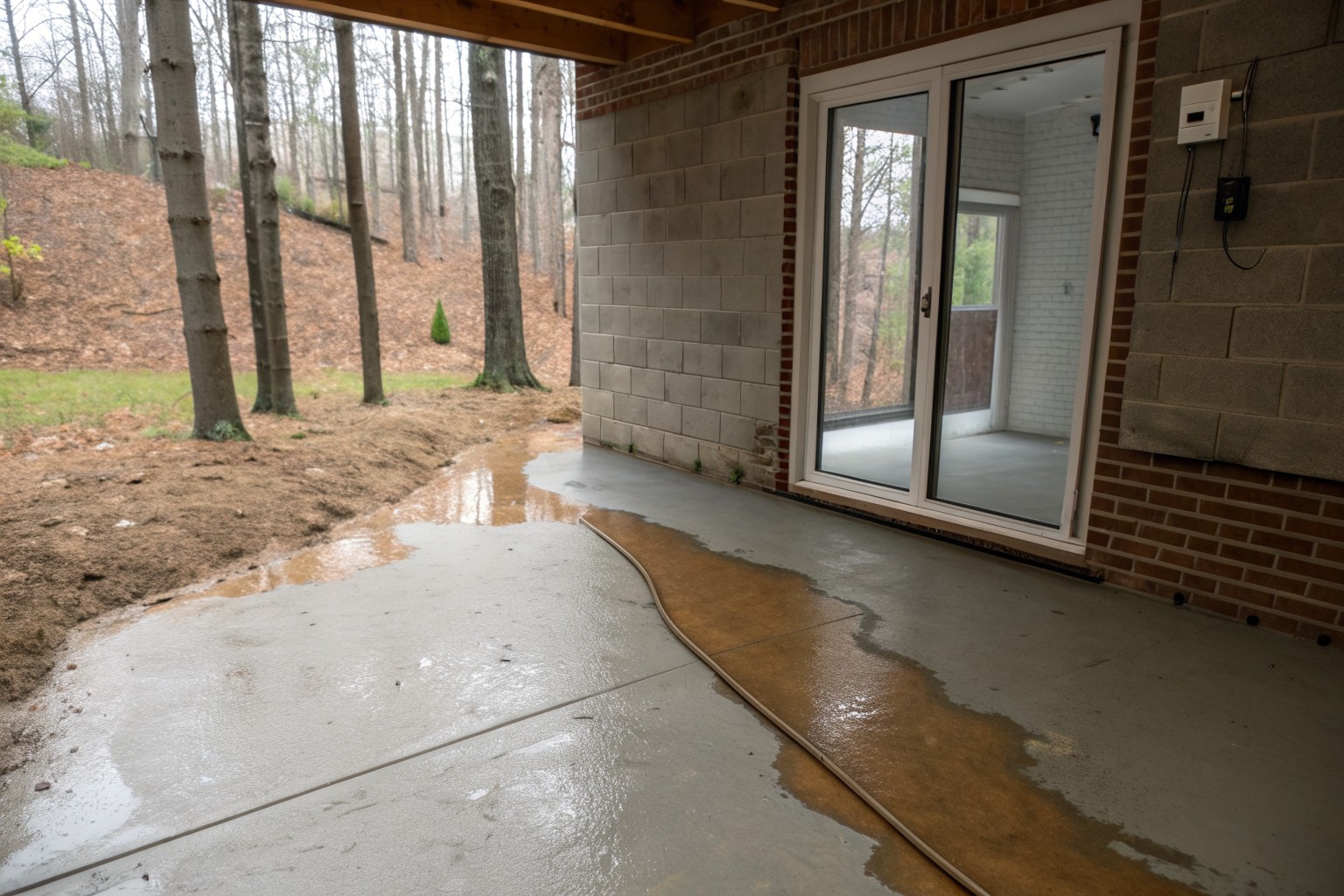
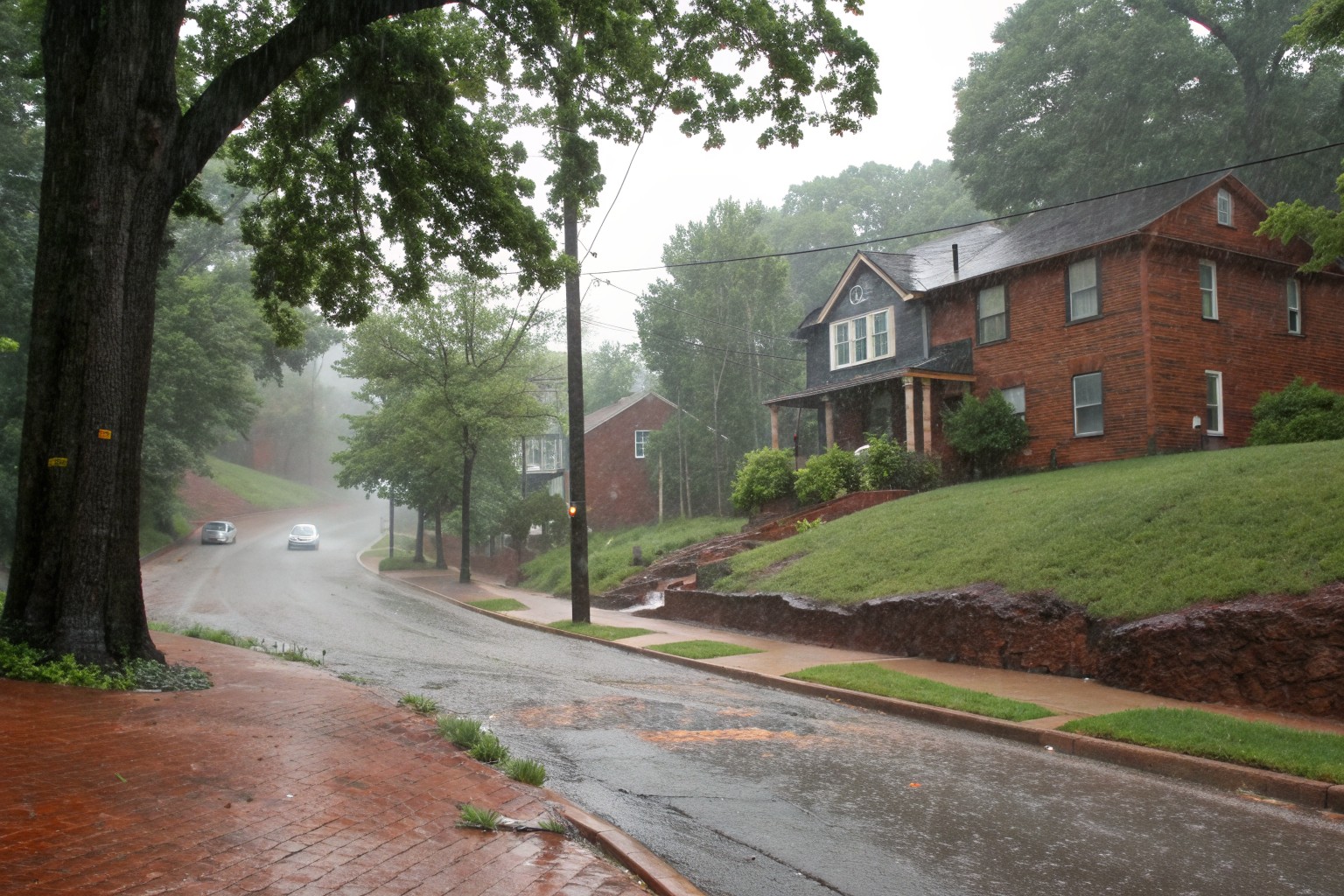
Water hunts for joints. The busiest is where wall meets footing, since water under the slab rises there first, and clogged window wells come next. Block walls pass water through tired mortar, poured walls through cracks and old form-tie holes, and pipe openings finish the list. On a sloped lot the uphill wall usually goes first: it holds back the most soil and catches runoff from above.
When Hurricane Helene's rain fell on September 26 and 27, 2024, Atlanta, GA logged 11.12 inches in 48 hours, its highest two-day total in records going back to 1878, according to the Georgia State Climatologist. The National Weather Service put September 26 alone at 4.32 inches, the most ever measured on that date.
Red clay, a common subsoil across the Georgia Piedmont, gives that water up slowly, so a leak that shows a day later still traces back to the storm.
The Usual Scenarios
- Water at the floor edge. Often handled with a run of interior drain leading to a sump pit.
- One weeping crack. Injection from inside fills a poured-wall crack through its full depth.
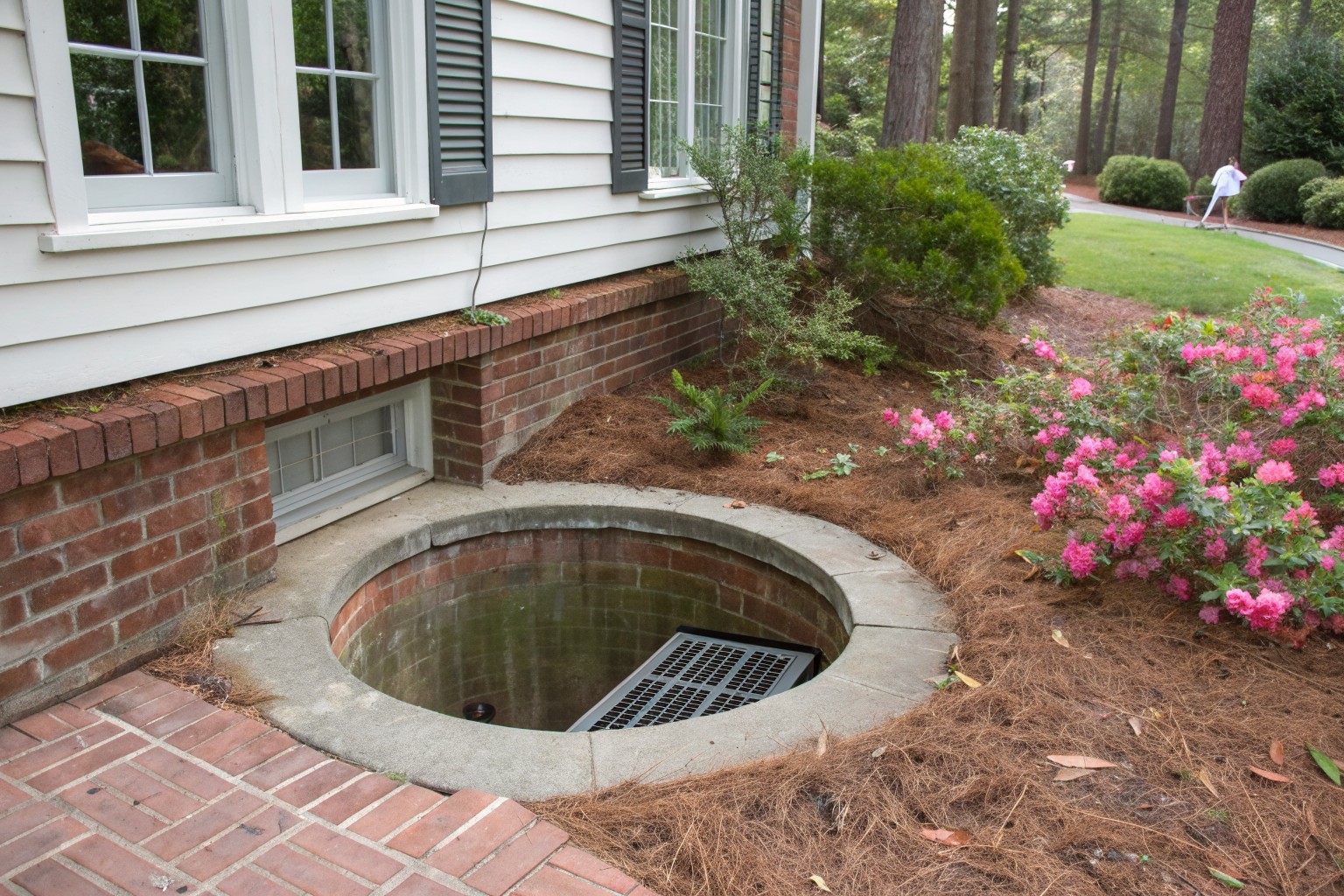
- A flooded window well. A clear drain at the bottom of the well, plus a cover, keeps water off the sill.
- Damp block joints. Repointing, sometimes paired with a drain at the base of the wall.
- Water rising from a floor drain. A sewer matter rather than a wall leak; who to report it to is explained below.
Budgeting for Basement Leak Repair
| Cost row | Figure | Source (year) |
|---|---|---|
| Typical basement waterproofing project | about $3,000 to $10,000 (average about $5,000) | Fixr national (2026) |
| Interior perimeter drain, per linear foot | $40 to $120 | Fixr national (2026) |
| Sump pump installation | $600 to $2,500 | Fixr national (2026) |
| Epoxy crack injection, per crack | $250 to $1,000 | Fixr national (2026) |
| Waterproof paint or sealant, per sq ft | $1 to $8 | Fixr national (2026) |
Fixr's 2026 national ranges are neither Atlanta, GA figures nor prices from this site. One leaking crack usually falls on the injection row. Backwater valves, ejectors and work on the pipe from the house are plumbing jobs that a licensed plumber prices, so they stay off this table.
The Typical Job, in Order
- Cause first. On its own visit, the contractor looks for where water starts, from downspouts to window wells, and an itemized estimate follows.
- Signed terms. The repair, materials, price and payment dates, with every promise on paper.
- Permits and pipes. Which permits apply and who pulls them is settled before work; pipe tie-ins go to a Georgia-licensed plumber with a plumbing permit.
- Paying in step. Never the full sum before work or in cash only, and lien waivers in writing before the last payment.
Sewer Backup or Groundwater?
Seepage is groundwater pushing through walls, cracks or the floor edge: basement waterproofing territory. Water or sewage welling up from a floor drain is a sewer backup; drain tile and sealant can't touch it.
Tell the sewer owner first, so its crew can look at the public side. At a City of Atlanta address, the Department of Watershed Management lists ATL311, 404-546-0311, as the number for all sewer-related problems. Druid Hills, Candler-McAfee and Avondale Estates, GA are on DeKalb County Watershed Management's sewers; the County's 24-Hour Emergency Line is 770-270-6243. East Point, GA has a Water & Sewer Department of its own: (404) 474-3834 in the daytime business hours, and (404) 240-2183 once they end. In Hapeville, GA, the first call is City Hall, 404-669-2100; ask which office covers the sewer where you live. Call 911 for any safety hazard.
In a 2015 release, Georgia EPD put the share of the City of Atlanta still on a combined sewer, one set of pipes for wastewater and rainwater together, at about 10 percent, centered on the dense downtown area, with separate storm and sanitary pipes in most other areas. If a City sewer may have played a part, the City's Law Department requires a written claim against the City within six months of the event; that step is yours alone.
The pipe from the house, and any backwater valve on it, is work for a Georgia-licensed plumber, who can say whether a valve suits the line and pulls the permit; in the City of Atlanta, plumbing permits are handled separately at (404) 865-8550. This site's research found no program that pays toward a valve, whether run by the City of Atlanta, by DeKalb County or by one of the five towns; see the Georgia rules page.
This site can't say what a policy covers. Many homeowners policies exclude gradual seepage, groundwater and flooding, and backup coverage is often an extra. Read yours and ask your insurer or agent.
Frequently Asked Questions
Is it condensation or a real leak?
Tape a square of aluminum foil to a dry patch of wall, edges sealed, and check two days later. Beads on the outer face mean damp room air meeting cool concrete; moisture behind the foil means water is coming through the wall.
Should I patch the spot before anyone looks?
A plug on the room side may slow a trickle but can hide where the water started. Take dated photos after a rain first, and note how long the spot stays damp, since a contractor who gets in touch can use both.
See Also
Larger problems are covered under full basement waterproofing, foundation crack repair and basement drainage.
Talk to a Local Contractor About Leaks
The talking starts once the form goes in; say where water shows and after what rain. The one independent contractor who gets that request to be contacted reaches out by call or email if it takes the job, looks at the leak on a visit it sets up and writes its own estimate. No one can promise a leak stays gone, and the decision stays yours. Everything begins with the short form.