Basement Waterproofing in Atlanta, GA
Atlanta, GA, a city of about 529,000 people, sits on a ridge above the south bank of the Chattahoochee River, astride the Eastern Continental Divide. These pages cover the causes of wet basements, typical costs and the offices worth knowing, from a referral and advertising service that does no basement work.
Not sure if we cover your area? Check now ↓
Basement Estimate Request
Takes about 30 seconds. One local contractor gets it and contacts you.
Your details go to one independent contractor who works around Atlanta, GA, and that contractor gets in touch with you directly. See our Referral Marketing Disclosure.
When Water Keeps Finding Your Atlanta Basement
This site never touches a basement in Atlanta, GA: it only sends your request to be contacted on to one independent local contractor, and nobody can promise a basement will stay free of water. Contractors may pay a flat advertising fee, waived for now as a free trial, that never moves with requests or jobs. You pay nothing and receive nothing.
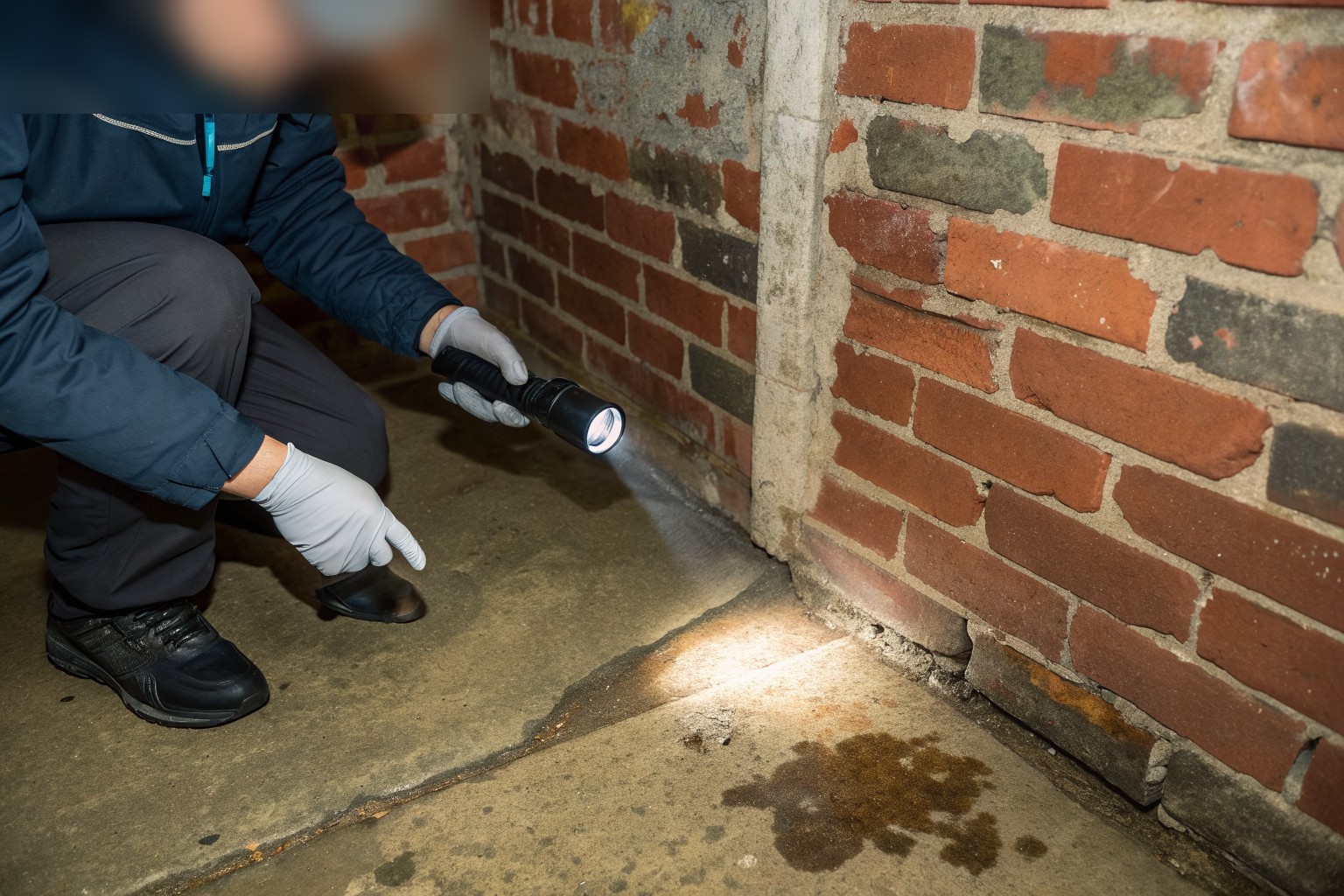
One Request, One Clear Next Step
- You fill in the form. Say where and when water appears.
- One contractor receives it. It gets in touch and sets up any visit itself.
- The contractor puts it in writing. After a look, it writes its own estimate. Going ahead is your call alone.
Waterproofing Work, Sorted by Problem
Basement Red Flags to Watch
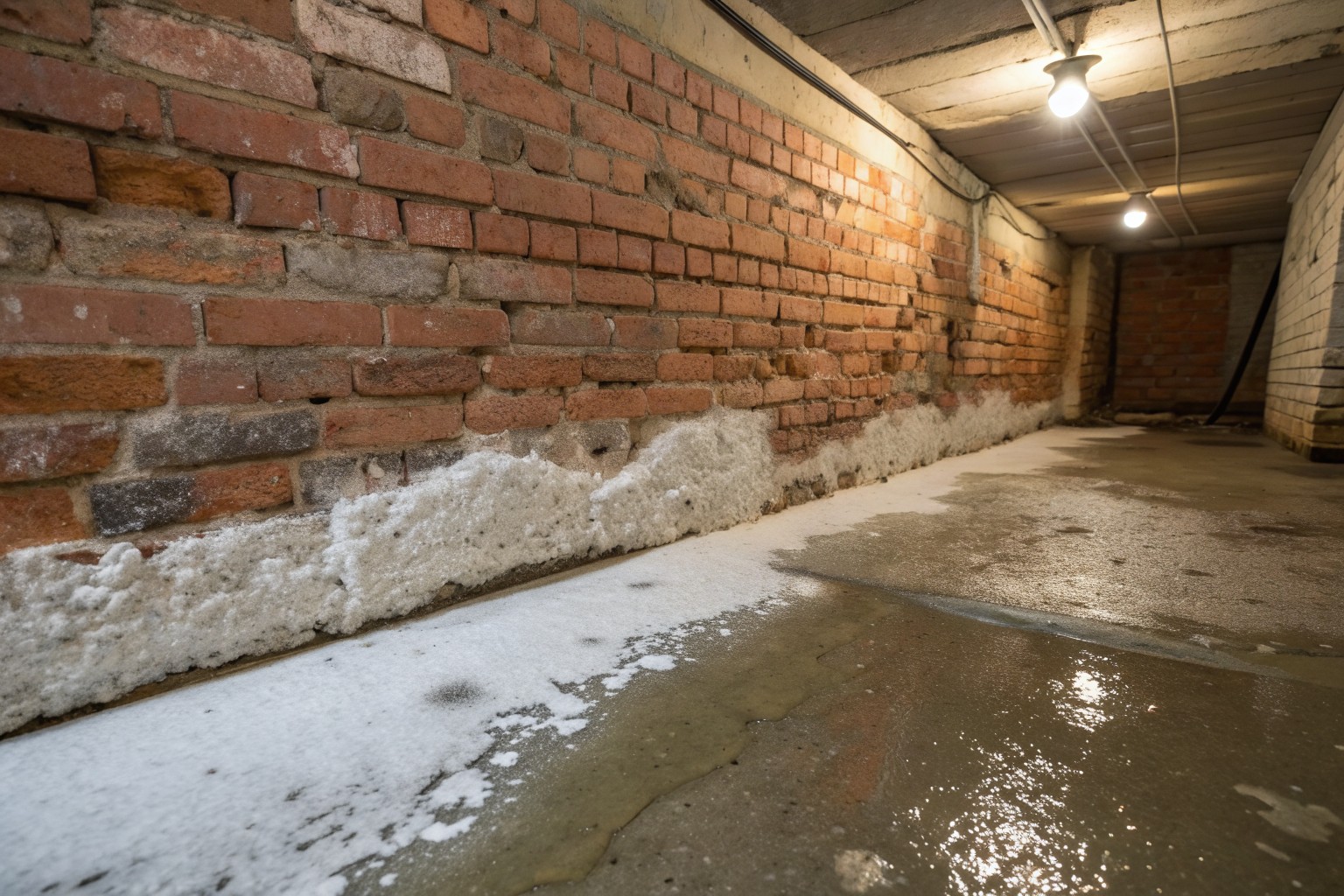
- A damp floor-wall joint. A wet line at the wall's base after rain is worth a look.
- Chalky white residue. Minerals left where moisture passed through block, brick or concrete.
- Cracks that seep or widen. A horizontal crack or an inward lean is worth having looked at soon.
- One wall wetter than the rest. On a sloped lot, the uphill wall often holds the most wet ground.
- Water from a floor drain. Usually a sewer issue, not a wall issue.
Answer Five Questions About Your Basement
The wet basement checker points toward a likely cause in five questions. It's a start, not a diagnosis.
Soil, Rain and Basement Walls
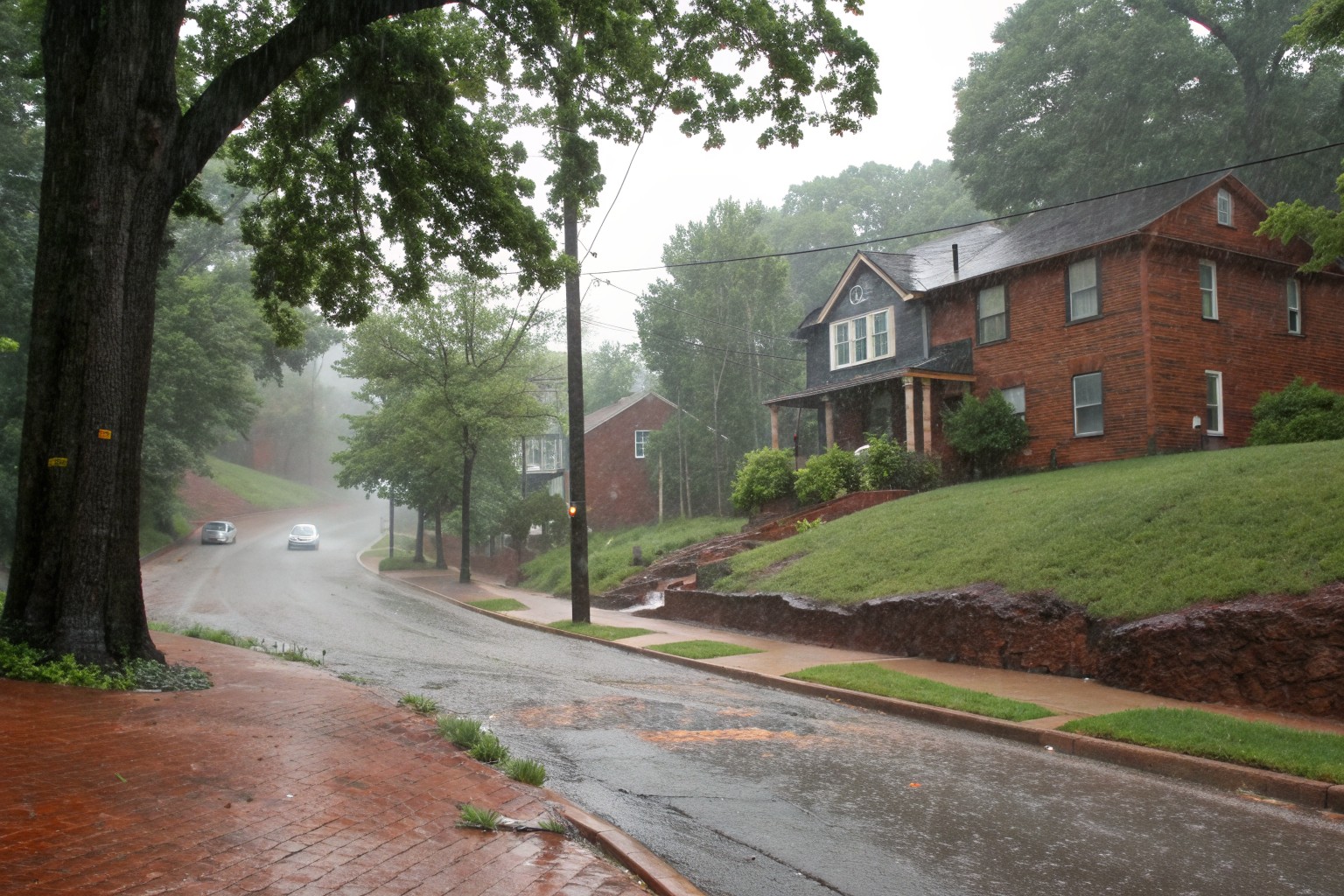
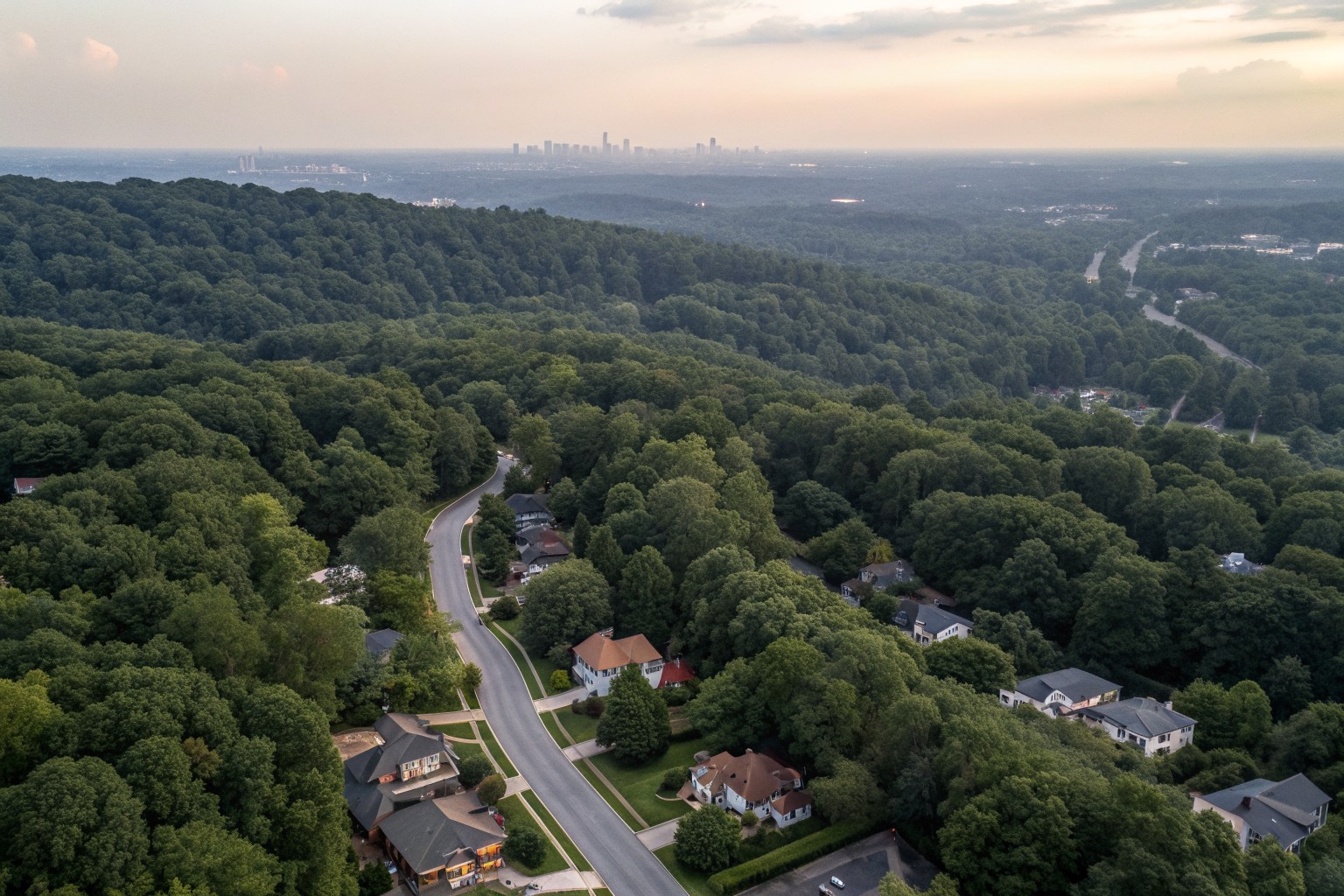
Red clay subsoils are common across the Georgia Piedmont; once soaked, they pass water slowly, so it can sit against walls for days. Ridges and creek valleys tilt many lots, so a house often has a downhill wall near grade and an uphill wall holding back wet ground. Older brick, block and poured walls let it in at joints and cracks.
Helene's remnants brought 11.12 inches in 48 hours, the city's highest two-day total on record (Georgia State Climatologist), including a record 4.32 inches on September 26, 2024 (National Weather Service). In September 2009, Peachtree Creek at Atlanta crested at 23.89 feet, its second-highest mark (NWS).
A floor drain backing up is a sewer matter. Georgia EPD said in 2015 that about 10 percent of the City of Atlanta, mainly downtown, still had combined pipes carrying wastewater and rainwater together. City addresses report sewer problems to ATL311, 404-546-0311; the DeKalb places below use 770-270-6243; East Point, GA uses (404) 474-3834; in Hapeville, GA, start with City Hall, 404-669-2100. Work on the pipe from the house is plumbing for a Georgia-licensed plumber.
Typical Price Ranges
These 2026 Fixr figures are national; no Atlanta, GA or Georgia cost survey was found. Wall age, slope, access, structural repair and any plumbing shift a real total.
| Cost row | Figure | Source (year) |
|---|---|---|
| Typical basement waterproofing project | about $3,000 to $10,000 (average about $5,000) | Fixr national (2026) |
| Interior perimeter drain, per linear foot | $40 to $120 | Fixr national (2026) |
| Sump pump installation | $600 to $2,500 | Fixr national (2026) |
| Epoxy crack injection, per crack | $250 to $1,000 | Fixr national (2026) |
| Waterproof paint or sealant, per sq ft | $1 to $8 | Fixr national (2026) |
The cost guide takes each row further.
What Makes This Different
- One short form. Describe the water one time, in one place.
- Facts with sources. Rain, housing, sewer and permit details say where they came from.
- Nothing to pay. Sending a request is free, and nobody is paid or rewarded for it.
- Limits in plain view. This site never bids, prices, inspects or sets up visits.
- Checks that stay yours. Georgia treats damp proofing and waterproofing as a specialty trade, but structural repair can differ. Ask what Georgia license, if any, covers the work, then confirm it on the Secretary of State's online license search.
Areas Covered Near Atlanta
Requests from any address in the City of Atlanta, GA reach one independent contractor, as do requests from five nearby places: Druid Hills, GA, Avondale Estates, GA, Candler-McAfee, GA, Hapeville, GA and East Point, GA.
None of the five is part of the City of Atlanta, though a few Druid Hills addresses fall inside City limits. Druid Hills and Candler-McAfee are unincorporated DeKalb County; the other three are cities. A mailing address doesn't always reveal the governing body, so ask the county or city.
A Local Look at Atlanta Homes
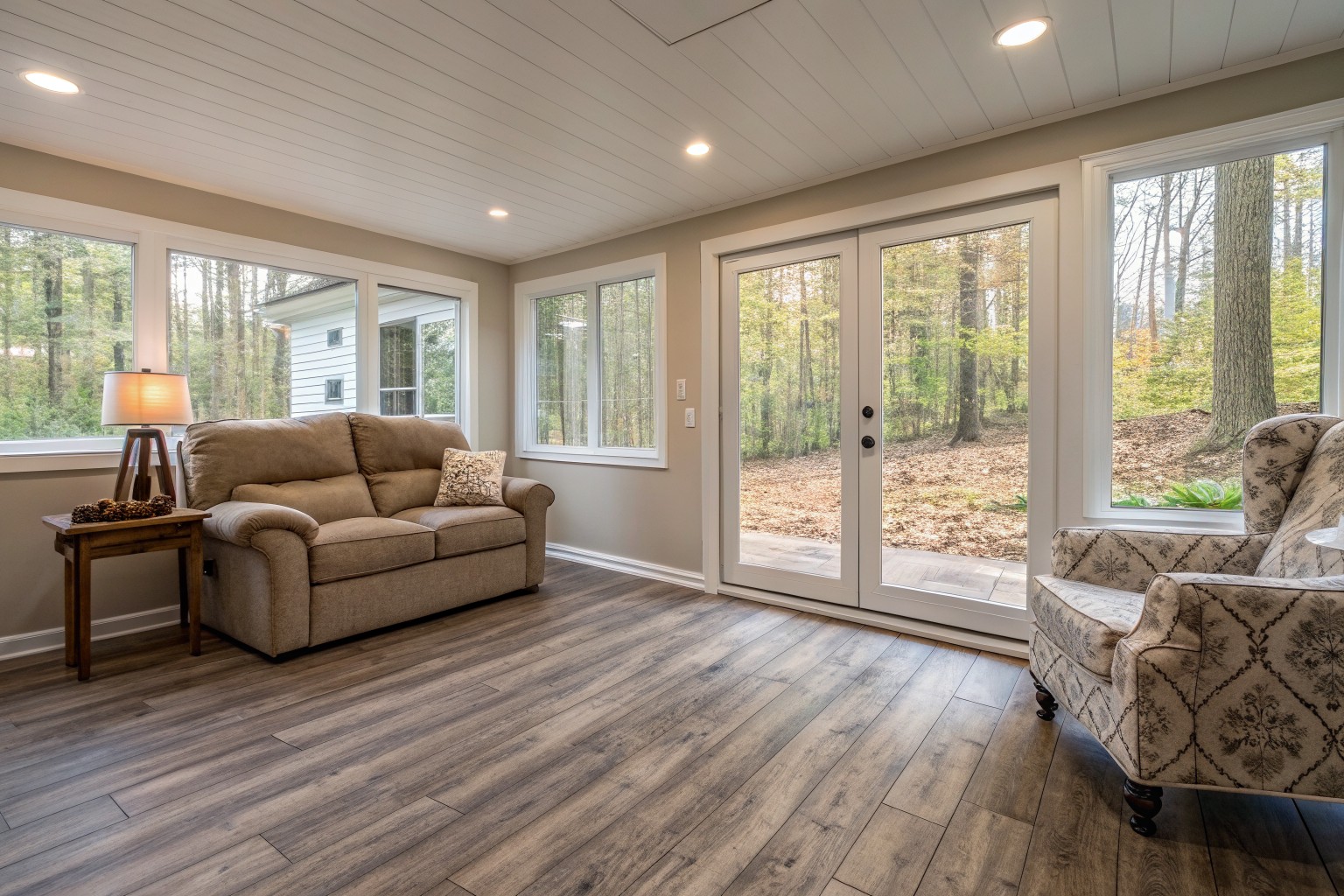
For homes with basements in Atlanta, GA, age and slope tell most of the story, though many newer homes across the region sit on slabs: about 86% of new single-family homes in the South Atlantic division were slab-built in 2024 (Census data analyzed by the National Association of Home Builders). About one home in eight in the city predates 1940 and about a quarter predate 1960 (Census survey data). Full and daylight basements are common in older intown homes on sloping lots, in a city incorporated in 1847.
Druid Hills, Avondale Estates and Hapeville hold more older houses; Candler-McAfee and East Point lean toward postwar brick ranches. Newer basements still get wet: drain tile silts up, old pumps quit, settled backfill tips water toward walls and window wells fill. About 46% of homes in the city are owner-occupied, so these pages speak to owners, including those who rent homes out.
Frequently Asked Questions
Does this site look at my basement or give a price?
No. It never visits, inspects, bids on or prices anything. A single independent contractor gets your request; that contractor reaches out and takes care of any visit, estimate and contract with you. Sending the form doesn't bind you to anything.
Does basement work in Atlanta, GA need a permit?
It depends on the job and the address. In the City of Atlanta, plumbing tie-ins carry their own plumbing permit, pulled by a licensed plumber; structural repairs usually involve the Office of Buildings; and the contractor confirms the rest with that office first. DeKalb County and the three cities nearby run their own permit offices.
Next Step: A Local Estimate
Start with the form whenever it suits you. There's no deadline. It reaches one independent contractor, which, if the job fits, makes contact and prepares its own estimate; no one can promise a dry basement. Georgia's Attorney General advises putting every guarantee, warranty and promise in a written contract and never paying all up front or in cash only. A sale signed at your home may, under Georgia law, be open to cancellation until midnight of the third business day.