How a Basement Waterproofing Request Works in Atlanta, GA
This page follows a request from Atlanta, GA, home to about 529,000 people along a ridge south of the Chattahoochee, once you send it. One independent local contractor receives it; what follows is between you two.
The Short Version
Basement Waterproofing Atlanta GA passes a request to be contacted to one independent local contractor, and nothing more. It isn't a trade of any kind (no contractor, plumber or electrician), it isn't a broker, and it acts for no contractor.
Contractors may pay a flat advertising fee for a period of time, waived for now as a free trial. The fee never varies with requests, visits, contracts or job size. Homeowners neither pay nor receive anything.
Step by Step
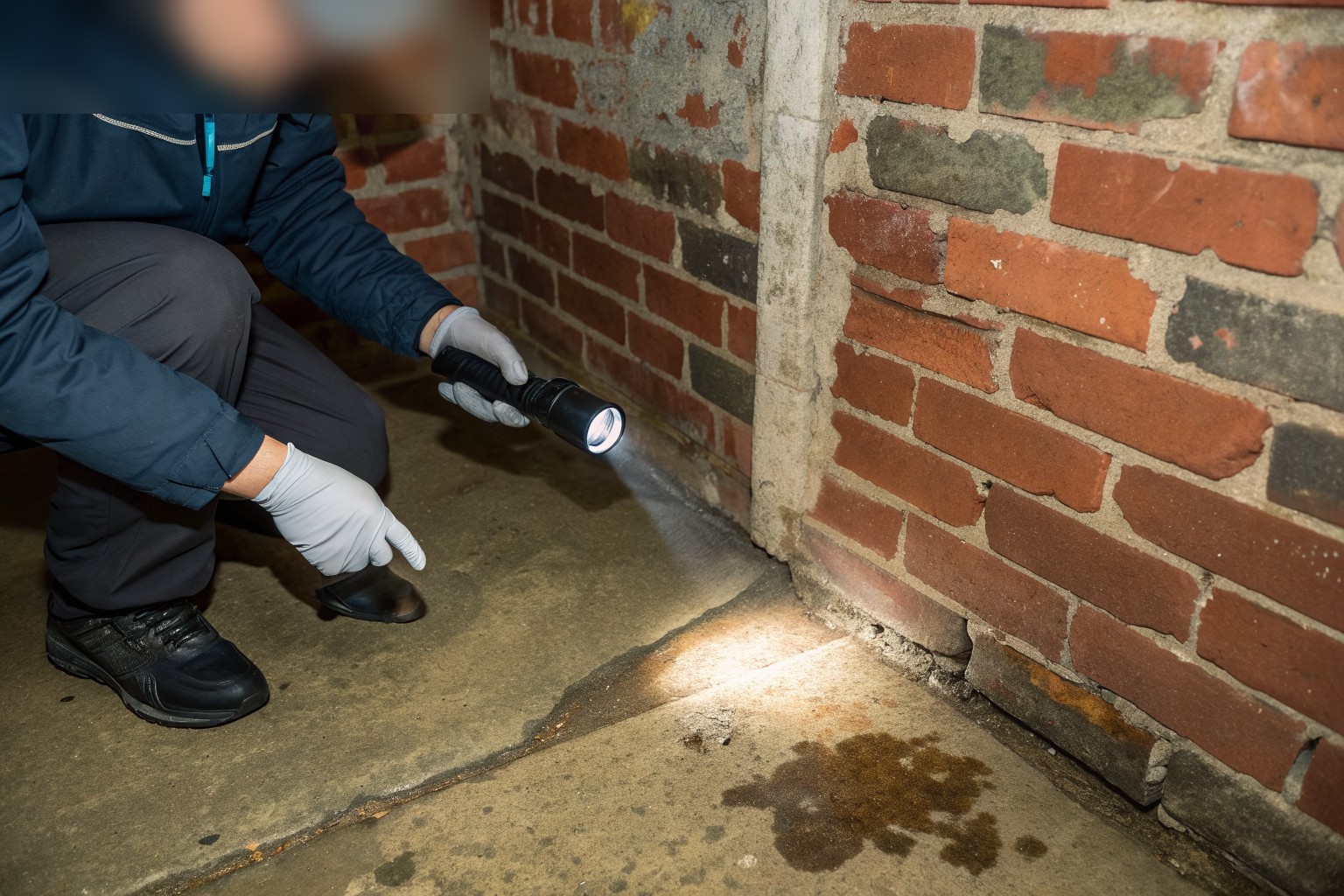
- You fill out the form. Give your address and where and when water gets in.
- One contractor gets it. A single independent contractor receives it, and no one else does.
- The contractor reaches out. If the job suits it, the contractor contacts you directly and sets up any visit itself.
- Then it's yours to decide. After that first contact, the contractor handles what follows, and every choice is yours.
Questions for Any Contractor
This site checks no one; these questions are yours before you sign.
- Which license, if any. Damp proofing and waterproofing appear on the Georgia Secretary of State's list of specialty trades; structural foundation repair doesn't. Ask what Georgia license, if any, applies to your job, and confirm it yourself through the Secretary of State's online license search.
- A local business license. The Georgia Attorney General suggests asking your county or city government whether a contractor holds "the proper licensing." Ask for its city or county business license too.
- Its name on paper. Ads, website and paperwork should carry the contractor's full legal name and any license number it holds. This site names none.
- Pipes go to a plumber. Tying a sump into a drain, adding a backwater valve or working on the house's sewer pipe is for a Georgia-licensed plumber with a plumbing permit.
- Proof and people. Ask for insurance certificates, recent local customers and a local address to visit.
- Paper before payment. Get a detailed written estimate, then a signed contract stating price, work, materials, payment dates and who pulls each permit. Pay in stages, never all up front or in cash only, and get written lien waivers before the last payment.
- A possible cancel window. For a sale made at your home, Georgia law may allow cancelling until midnight of the third business day after signing; the current statute text was not confirmed for this site. To complain about a contractor, contact the Georgia Attorney General's Consumer Protection Division at 404-651-8600; from within Georgia, 1-800-869-1123 is toll-free.
What Stays Between You and the Contractor
The estimate, contract, price, timing, permits, payments and work are settled between you and the contractor; this site has no part in them. It does no basement work cannot get any done, gives no bids, quotes, prices or inspections, presents no contract, takes no deposits and sets up nothing. It has no plumbing license and no residential or general contractor license, and advertises no plumbing work. It handles no insurance questions (ask your insurer or agent), sewer reports or government paperwork, and hands out no gifts, discounts or rewards.
Next Step: Your Request
The form can go in at any hour. A single independent contractor sees it; if the work fits, that contractor contacts you, and any estimate is its own.